
N.K. Architects — Journal · Trends
The Rise of Fluted Panels and Ribbed Textures in Modern Indian Interiors
Trends · July 2026 · 8 min read

Flat walls are quietly falling out of favour in luxury Indian interiors. In their place, a ridged, rhythmic texture is showing up on everything from living room feature walls to kitchen islands and wardrobe shutters — fluted panelling, once reserved for the odd accent piece, has become one of the defining textures of 2026.
At N.K. Architects, we’ve been specifying fluted and ribbed finishes across a growing share of our residential projects, and it’s easy to see why clients keep asking for it. Unlike most decorative trends, this one earns its place through genuine architectural logic — it plays with light, adds depth without adding clutter, and photographs as beautifully in person as it does on a moodboard.
A fluted wall doesn’t just sit in a room — it changes with the light throughout the day.
Why Fluting Works Where Flat Surfaces Fall Short

The appeal of fluted and ribbed surfaces comes down to one thing flat panels can never offer — shadow. Each groove catches ambient light differently depending on the sun’s angle or the direction of a nearby lamp, so the same wall can look crisp and graphic at noon and softly striped at dusk. In a warm-minimalist interior, where colour palettes are deliberately restrained, this shifting play of light and shadow becomes the room’s real source of visual interest — no bold pattern or loud artwork required.
Where It’s Being Used Across the Home
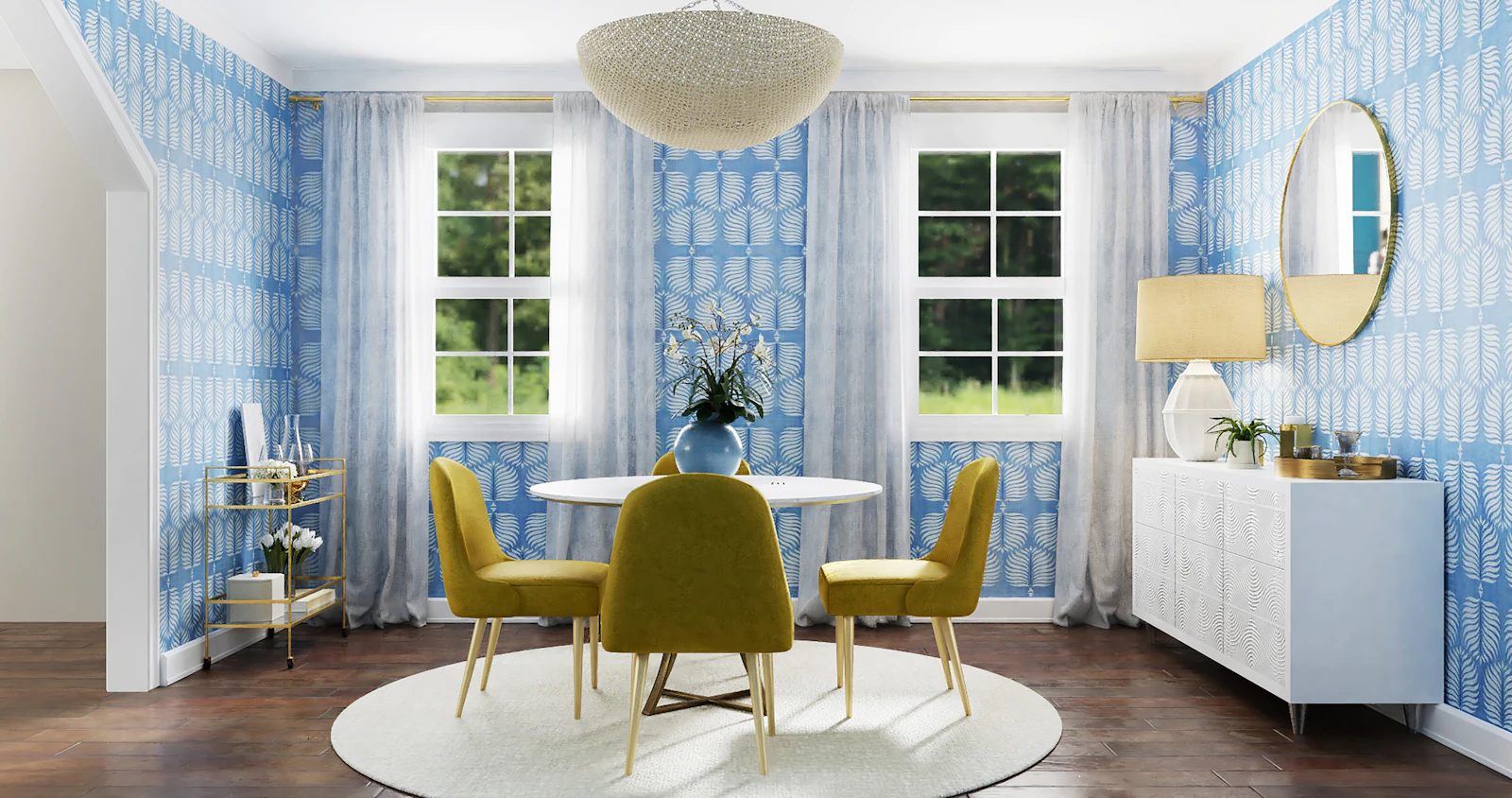
Fluted wood panelling is showing up most often as a living room or bedroom feature wall, frequently running the full height of the space to emphasise ceiling height. In kitchens, it’s appearing on island fronts and tall unit shutters, giving a large expanse of cabinetry visual rhythm without resorting to high-gloss or heavily veined finishes. Wardrobes and dressing room fronts are another natural fit — the vertical grooves elongate a room and give a walk-in closet the same tactile quality as a well-designed boutique.
We’re also seeing ribbed textures move beyond wood entirely — into fluted glass partitions that soften views between rooms while still allowing light through, and into plaster or MDF profiles finished in deep espresso or warm ivory to match the tonal palettes dominating 2026 interiors.
Getting the Proportions Right

The detail that separates a well-executed fluted wall from an amateur one is groove width and spacing. Too narrow, and the texture disappears from a distance; too wide, and it starts to look like generic corrugated panelling rather than a refined architectural feature. We typically specify grooves between 15mm and 25mm depending on wall height and viewing distance, keeping spacing consistent across an entire wall or unit run so the rhythm reads as intentional rather than improvised.
Material choice matters just as much. Solid wood ages beautifully but comes at a premium; engineered wood veneers and high-density MDF profiles now replicate the same grooved depth at a fraction of the cost, making the look accessible without compromising the visual effect.
Texture as the New Statement
N.K. Architects specifies fluted and ribbed detailing that adds depth and craftsmanship to every room, without ever overwhelming it.Start Your Project
A Texture That Pairs With Everything
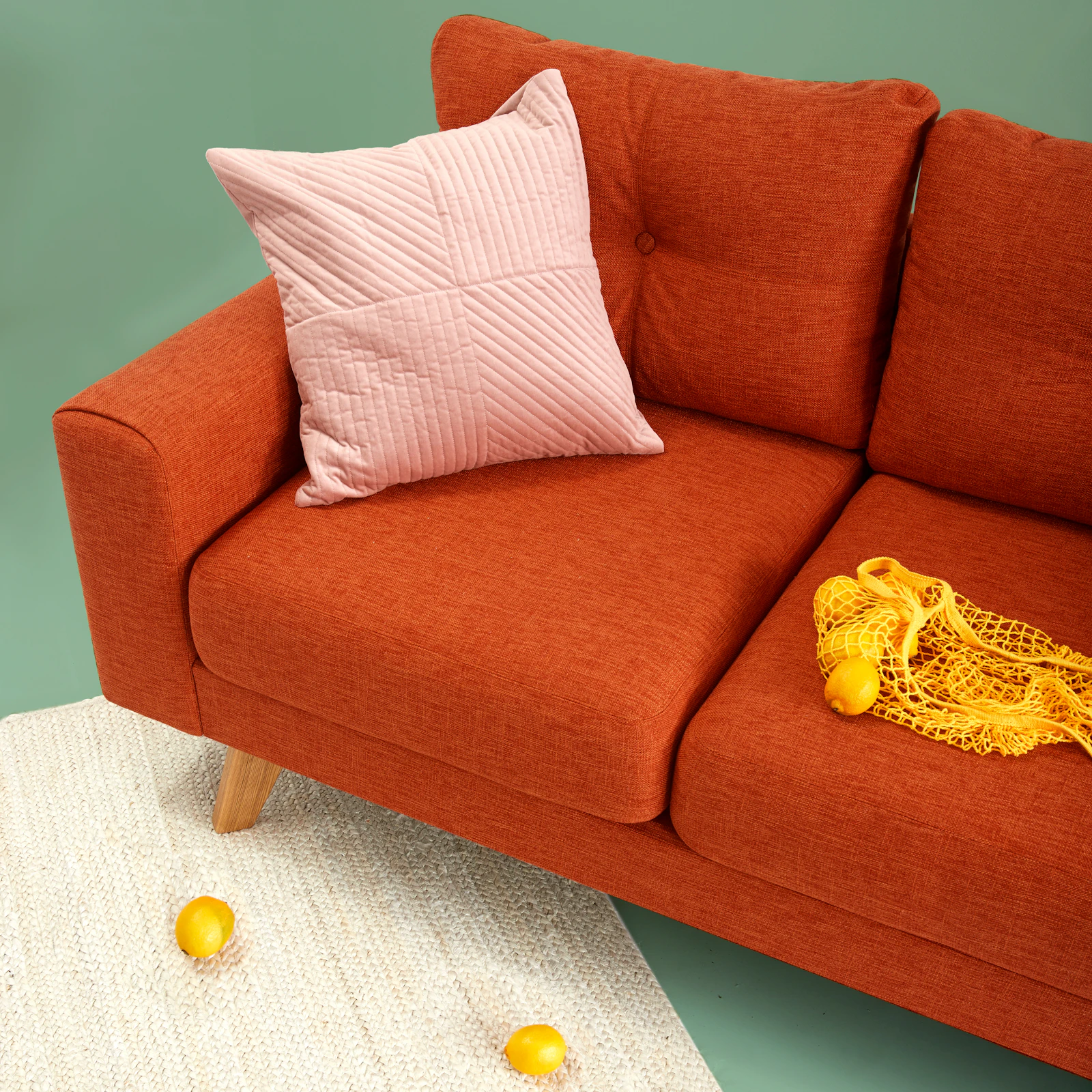
Part of why fluted panelling has spread so quickly through Indian interiors is how easily it pairs with everything else defining luxury design right now. It sits comfortably alongside curved, sculptural furniture, deepens the effect of material drenching when carried tonally across a wall, and catches accent lighting in a way flat plaster never could. It’s rare for a single detail to complement this many trends at once — which is exactly why it’s shown up in nearly every project brief we’ve received this year.
Fluted and ribbed textures prove a point worth remembering about good design in general — depth doesn’t have to come from colour or ornament. Sometimes it comes from something as simple as a groove, repeated with enough precision to catch the light differently every hour of the day.
N.K. Architects · Architecture · Interiors · Urban Planning